Posted on 13/10/2026
Epsom and Ewell Council Rules for Public Floral Displays: A Practical Local Guide
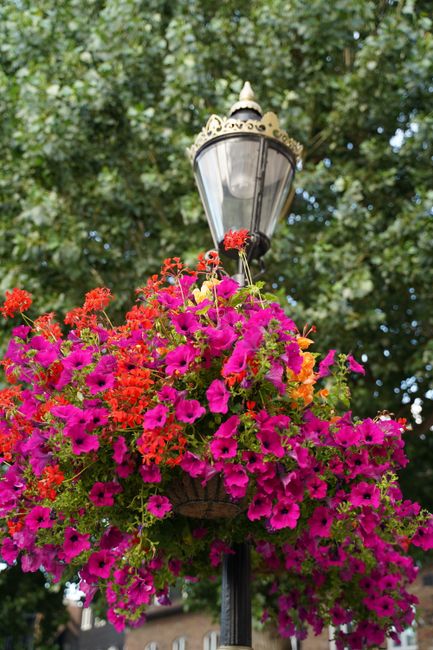
If you are planning a public floral display in Epsom or Ewell, the details matter more than most people expect. A planter outside a shop, a hanging basket on a frontage, a memorial wreath in a shared space, or flowers used for a community event can all seem simple at first glance. Then the real questions appear: where can it go, who gives permission, what happens if it overhangs the pavement, and how do you make sure it does not become a nuisance or a hazard?
This guide explains the Epsom and Ewell council rules for public floral displays in plain English. It is written for business owners, event organisers, resident groups, market traders, and anyone who wants to add flowers to a public-facing space without causing friction. You will find the practical logic behind the rules, the common risks, and the steps that usually make approval easier. Let's face it, a good floral display should lift a street, not create a complaint.
We will also cover the kinds of displays people often overlook, the best practices local councils tend to expect, and the small details that can save a lot of time. If you are arranging flowers for a wedding, a remembrance tribute, or a regular display as part of your business frontage, you may also find it useful to look at local floral styles such as wedding flowers in Epsom or the range of seasonal arrangements on the site's all flowers page when planning something that needs to look polished and durable.
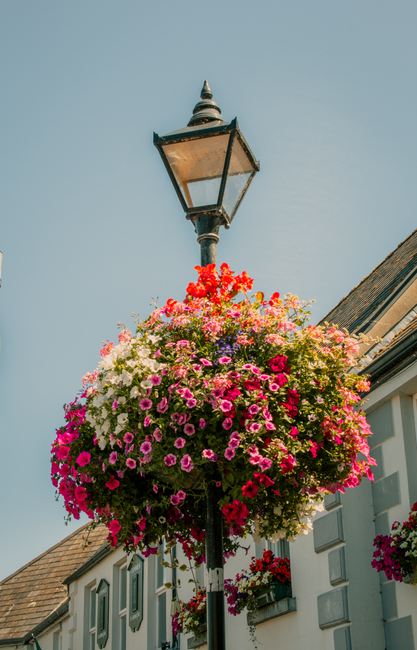
Table of Contents
- Why the rules matter
- How public floral display rules work
- Benefits and practical advantages
- Who needs this guidance
- Step-by-step guidance
- Expert tips for better results
- Common mistakes to avoid
- Tools, resources and recommendations
- Law, compliance and best practice
- Options and comparison table
- Case study example
- Practical checklist
- Conclusion
- Frequently asked questions
Why Epsom and Ewell council rules for public floral displays Matters
Public floral displays sit in a slightly awkward middle ground. They are decorative, yes, but they are also objects placed in shared space. That means they can affect visibility, access, maintenance, public safety, waste collection, and the look of the street. A basket that seems charming from the cafe window may be annoying to pedestrians if it narrows the pavement or sheds petals onto a wet path. A planter outside a shop can brighten a frontage, but if it is poorly sited, it can block access for wheelchair users or push people into traffic.
That is why the council's approach is usually practical rather than decorative. The aim is not to stop floral displays. It is to keep streets usable, safe, and tidy. In local areas like Epsom and Ewell, where you have a mix of busy shopping routes, residential roads, parks, and town-centre footfall, the context changes from one street to the next. A display that works on a broad frontage may be completely wrong for a narrow pavement.
There is also a reputation angle. A neat arrangement feels welcoming. A messy one signals the opposite. If you are a business, people notice that. If you are organising a community celebration, people notice that too. And if you are working with something sensitive, such as memorial flowers or a funeral tribute, the need for dignity and good placement becomes even more obvious. A tasteful tribute from a range like funeral flowers in Epsom can be lovely, but public placement should still respect space and access.
Practical summary: the real issue is not whether floral displays are allowed in principle. It is whether they are placed, secured, and maintained in a way that keeps the public path clear and the area pleasant for everyone.
How Epsom and Ewell council rules for public floral displays Works
In practice, public floral display rules tend to work through a combination of permissions, location checks, safety expectations, and ongoing maintenance. The exact process depends on the nature of the display and where it is placed. A display attached to private property but visible from the street may be treated differently from one placed on a pavement or verge. A display used for a one-off event may be handled differently from one left in place all season.
The first thing to understand is that "public" does not just mean "outdoors". It usually means anything that affects shared access or the appearance of public space. That can include hanging baskets over the highway, planters on pavements, memorial flowers in a town-centre setting, floral installations near public buildings, and seasonal arrangements for local events.
There are a few common practical checks that usually apply:
- Whether the display is on public land or private land
- Whether it affects pedestrian movement or vehicle sightlines
- Whether it could become a trip hazard, obstruction, or maintenance issue
- Whether it needs permission from a landowner, managing agent, or council body
- Whether it needs regular watering, deadheading, and waste removal
In some cases, you may only need agreement from the property owner or site manager. In others, especially where footpaths, verges, street furniture, or shared town-centre spaces are involved, you should expect an approval conversation. That conversation is usually about practicalities: dimensions, anchoring, cleanup, and whether the display is temporary or ongoing. Nothing glamorous. But necessary.
For commercial displays, durability matters as much as beauty. If a display is going into a public-facing business area, flowers that hold up well in changing weather can save a lot of stress. The product choices on pages such as flower shops in Epsom and best sellers may help you compare styles that feel appropriate for regular public display use.
Key Benefits and Practical Advantages
When the rules are followed properly, public floral displays can do quite a lot of good. They improve visual appeal, support local identity, and make streets feel cared for. That "cared for" feeling is not cosmetic. It changes how a place is experienced.
Here are the biggest practical advantages:
- Better public presentation: neat floral displays can make a frontage or event space feel more welcoming straight away.
- Lower risk of complaints: clear permission and good siting reduce the chance of someone reporting obstruction or mess.
- Safer access: properly planned displays are less likely to block paths, doors, or sightlines.
- More durable results: displays designed with local conditions in mind usually last longer and look better.
- Stronger trust: businesses and organisers look more reliable when their public-facing details are handled well.
There is a quieter benefit too. A well-managed floral display often signals respect. Respect for the street, for neighbours, for visitors, for the people who maintain the area. That may sound a bit grand, but you can feel it when you walk past a place with thoughtful planting. It is the difference between "thrown together" and "someone actually cared".
If you are comparing display types, the right choice depends on the setting. A lightweight bouquet is not the same as a fixed planter, and a seasonal outdoor piece is not the same as a tribute arrangement. If you need something that sits comfortably in a public-facing context, a browse through sympathy flowers or flowers in a vase can be useful for understanding scale and structure.
Who This Is For and When It Makes Sense
This guidance is for anyone who wants flowers in or around a public space and does not want to guess their way through the process. That includes small retailers, cafes, offices, event organisers, schools, faith groups, residents' associations, market stall holders, funeral directors, wedding planners, and community volunteers.
It makes particular sense if you are:
- placing planters or baskets on the edge of a pavement
- decorating a frontage that faces a public route
- setting up floral pieces for a street event or celebration
- arranging tribute flowers in a shared or visible area
- coordinating a one-day installation that still has to be safe and tidy
You should also think about these rules when a display is not technically on the highway but could still affect it. A planter beside an entrance can be just as relevant if it changes how people move in and out. Same with a display on a corner site where visibility matters. That is the sort of detail people miss until a complaint arrives, usually on a wet Friday afternoon when nobody wants the extra hassle.
For business owners, the display may support branding. For community groups, it may support celebration or remembrance. For event organisers, it may help create a sense of occasion. And for families, it may simply be about making a public tribute feel dignified and safe. Different reasons, same basic principle: thoughtful placement beats improvisation every time.
Step-by-Step Guidance
If you are planning a public floral display in Epsom and Ewell, the safest route is to work from the location outward. In other words, do not start with the flowers. Start with the space.
1. Identify the exact location
Be specific. Is the display on private frontage, a shared courtyard, a pavement edge, a verge, or an event area? The exact spot determines the likely permissions and risks.
2. Check who controls the space
The relevant decision-maker might be a landowner, landlord, business owner, event organiser, or the council depending on the site. If more than one party is involved, get clarity early. Handshake agreements are lovely until no one remembers who said what.
3. Measure the footprint
Know the width, depth, and height of the display. A floral piece that looks small indoors can feel much larger outdoors. Consider whether it overhangs or protrudes into walking space.
4. Think about access and safety
Check for wheelchair access, pushchair movement, visibility at corners, and the risk of tipping in wind. If the ground is uneven, heavier containers or secure fixings may be needed.
5. Choose suitable flowers and containers
For public use, durability matters. Flowers with sturdy stems, balanced shapes, and good weather tolerance usually work better than delicate arrangements. The selection on flowers by post in Epsom can give you an idea of styles that travel well and hold together nicely.
6. Plan maintenance
Who waters the display? Who removes wilted blooms? Who clears dropped petals? If no one owns maintenance, the display will age badly and people notice that very quickly.
7. Keep records
If you have permission, save it. If there are conditions, write them down. If the display is temporary, note the end date. This is simple admin, but it can prevent messy conversations later.
8. Review after installation
Once the display is in place, stand back and look at it from the pedestrian's point of view. Does it block, spill, lean, scratch, or snag? If yes, adjust it. Better to do that on day one than after someone trips, because then everyone gets tense and nobody enjoys the chat.
Expert Tips for Better Results
Most of the best results come from small decisions rather than dramatic ones. A few seasoned habits make a real difference.
- Use weight and anchoring sensibly: light planters can blow over, especially in exposed spots.
- Keep colours intentional: a coherent palette looks calmer and more professional than a random mix.
- Match the season: spring and summer planting usually lasts longer and looks more natural in public settings.
- Choose flowers that suit the job: if the display needs to sit in a breezy, high-traffic place, sturdy blooms are a smarter choice.
- Leave room around entrances: a display can still be striking without crowding the doorway.
- Think in photos and in real life: what looks elegant from a distance should also work up close, where people actually walk.
A small but useful tip: if your display is part of a business frontage, consider how it looks at 8am, lunchtime, and early evening. The light changes. The crowd changes. The display should still hold up. That is especially true in the winter months when a floral piece can look very different after a damp morning and a windy afternoon.
If you want a gentler, more understated style, look at products such as flower care alongside floral options like florist choice. Even if you are not buying care advice as such, the framing around maintenance is useful when planning public displays.
Common Mistakes to Avoid
People usually do not get into trouble because they wanted the wrong flowers. They get into trouble because they underestimated the practical side.
- Placing displays too far into the walkway: even a small obstruction can become a problem on a narrow pavement.
- Ignoring wind and weather: unsecured baskets and toppled containers are a classic issue.
- Forgetting ongoing upkeep: a public display needs tidying, not just installation.
- Assuming permission is obvious: if the space is shared or public-facing, check first.
- Using the wrong scale: a large arrangement may overwhelm a small frontage.
- Choosing delicate flowers for rough conditions: pretty is fine. Fragile and exposed is another story.
- Letting petals and foliage accumulate: this can make an area look neglected very quickly.
Another one that crops up often: failing to think about bin access, shop doors, or delivery routes. It sounds minor until a delivery driver has to shuffle around a planter at 7:30 in the morning. Then it becomes everyone's issue. Funny how that happens.
Tools, Resources and Recommendations
You do not need specialist equipment for every public floral display, but a few basics help a lot. The right tools make maintenance easier and the final result cleaner.
- Measuring tape: useful for checking footprint and clearance.
- Watering plan: this can be as simple as a rota or reminder system.
- Sturdy containers: especially important for exposed or busy areas.
- Soft ties or fixings: useful when securing arrangements discreetly.
- Cleaning kit: for fallen leaves, petals, and spilled soil.
- Photo record: a quick picture before and after installation can help if questions arise.
For floral selection, it helps to think in categories rather than just colours. Seasonal arrangements, compact bouquet shapes, sympathy pieces, and event styling each solve a different problem. For example, a robust mixed display can work well for a shop frontage, while a more formal tribute may suit a memorial setting. If you are comparing options, the range on baskets and posies and sprays shows how format influences presentation.
There is also a practical value in using a supplier who understands local delivery and timing. Public floral displays are often time-sensitive. A basket arriving too early or too late can affect the whole installation. If timing matters, local flower delivery options such as flower delivery in Epsom or same day flower delivery in Epsom can help when a display has a tight window.
Law, Compliance, Standards, or Best Practice
Because public floral displays can affect access and shared space, they should be approached with normal UK expectations around safety, nuisance prevention, and responsible use of public areas. The exact legal framework can vary depending on the site and the type of display, so it is sensible to treat this as practical compliance rather than a one-rule-fits-all issue.
In plain English, the key best-practice principles are:
- do not obstruct safe passage
- do not create a hazard or trip risk
- obtain permission where the land is not clearly under your control
- keep the display stable in wind and bad weather
- maintain the area so it does not become untidy or unsanitary
- remove temporary displays when the agreed period ends
If a display is placed near a public route, the question to ask is simple: would a reasonable person see this as safe, tidy, and not in the way? That standard is often more useful than trying to overcomplicate things. Councils and land managers tend to care about the same practical basics. Safety, access, appearance, and accountability.
For more formal occasions, best practice also includes matching the flower choice to the occasion. A dignified wreath or tribute should feel calm and appropriate rather than overly ornate. If you are choosing arrangements for a remembrance setting, pieces like wreaths or tributes may be more suitable than a bright mixed bouquet. That is not a legal point exactly, but it is a very real practical one.
Options, Methods, or Comparison Table
Different public floral display methods suit different spaces. The right choice depends on visibility, maintenance, and how much control you have over the site.
| Display type | Best for | Main advantage | Main risk |
|---|---|---|---|
| Hanging basket | Shopfronts, high-visibility streets, seasonal decoration | Strong visual impact without using floor space | Needs secure fixing and regular watering |
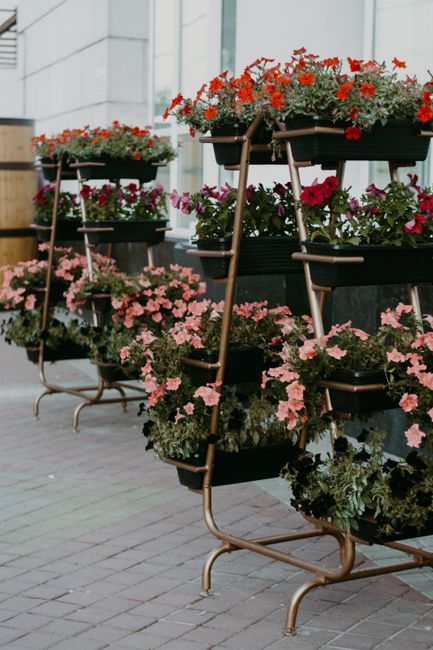
| Ground planter | Entrances, corners, town-centre frontage | Stable and noticeable at eye level | Can obstruct paths if oversized |
| Temporary event arrangement | Festivals, weddings, community events | Flexible and easy to tailor | Can be forgotten after the event if removal is not planned |
| Tribute display | Memorials, remembrance spaces, church or civic settings | Dignified and meaningful | Needs careful placement and respectful upkeep |
| Vase or container display | Indoor-to-outdoor transitions, receptions, sheltered areas | Simple and elegant | Less suitable for exposed public areas |
If you are unsure which method to use, start with the space itself. Narrow pavement? Avoid bulky planters. Exposed site? Think weight and weather. Formal memorial? Keep the design restrained. Busy shop frontage? Make sure the display does not pull foot traffic into the wrong place. It really is about fit, not just beauty.
Case Study or Real-World Example
Imagine a small independent cafe in Epsom that wants to place two floral planters outside the entrance through spring and early summer. On paper, the idea is simple. In reality, the owner has to think about the width of the pavement, delivery access, whether the door opens fully, and how customers queue at busy times.
So the cafe measures the available space, chooses low, stable containers, and keeps the display just inside the frontage line. They use weather-tolerant flowers with enough shape to look good after a windy afternoon, not just on delivery day. They also set a weekly maintenance routine: watering, deadheading, and a quick sweep of fallen petals. It sounds almost boring. That is actually a good sign.
After installation, the display improves the shopfront immediately. People notice it. The entrance feels cleaner, more intentional, and more welcoming. Importantly, it does not block movement or cause complaints. The result is not just prettier. It is calmer. And in a town-centre setting, calm is worth quite a lot.
Now compare that with a different scenario: a memorial arrangement placed too close to a busy footpath without enough space around it. Even if the flowers are beautiful, the display can quickly feel awkward if people have to step around it. That is where a little planning changes everything. The flowers themselves are not the issue. The placement is.
Practical Checklist
Use this checklist before any public floral display goes ahead. It saves hassle, honestly.
- Have I identified the exact location of the display?
- Do I know who controls or owns the space?
- Have I checked whether the display affects a footpath, doorway, or vehicle sightline?
- Is the display stable, weighted, or fixed securely?
- Will it remain tidy in wind, rain, or warm weather?
- Who is responsible for watering and cleaning?
- Have I chosen flowers and containers that suit the site?
- Is the display temporary or ongoing, and do I know the end date?
- Have I taken a photo or written note of the agreed setup?
- Have I reviewed whether the display respects access needs for everyone?
If you can tick all ten, you are in much safer territory. If not, pause and sort the missing pieces first. A little delay now is far better than an avoidable complaint later.
Get a free quote today and see how much you can save.
Conclusion
Public floral displays can make Epsom and Ewell feel brighter, friendlier, and more cared for. But the best displays are not just attractive. They are well placed, properly maintained, and respectful of the space around them. That is the heart of the issue behind the Epsom and Ewell council rules for public floral displays.
If you take anything from this guide, let it be this: start with the space, not the flowers. Check access, get permission where needed, plan the upkeep, and choose a design that suits the site rather than fighting it. Do that, and your display has a far better chance of being welcomed rather than questioned.
And if you are still deciding, that is fine. A thoughtful pause is often the difference between a charming display and a headache. Better to get it right once.
Frequently Asked Questions
Do I need permission to put flowers outside my shop in Epsom or Ewell?
It depends on exactly where the flowers will go. If they stay fully on private property, permission may be straightforward. If they affect a pavement, verge, or shared public area, you should check with the relevant landowner or council body before installing them.
Can I place hanging baskets over a public pavement?
Sometimes, but they need to be securely fixed and positioned so they do not create a hazard or obstruct safe movement. Height, clearance, and wind exposure all matter. A basket that looks fine from the doorway can be a nuisance if it sits too low.
What kind of floral display works best in a busy public area?
Stable, weather-tolerant displays usually work best. Low planters, robust baskets, and arrangements with strong structure are often more practical than delicate pieces. The more foot traffic there is, the more important durability becomes.
Are temporary event flowers treated differently from permanent displays?
Yes, often they are. Temporary displays may be easier to approve if they are short-lived and clearly managed. Permanent or seasonal installations usually need more thought about maintenance, safety, and appearance over time.
What are the biggest risks with public floral displays?
The main risks are obstruction, tipping, water damage, loose debris, and poor maintenance. In everyday terms, the problem is usually not the flowers themselves but the way they are placed and looked after.
Can floral displays block access for wheelchairs or pushchairs?
They should not. Access needs to be considered from the start. If a display narrows the path too much, it may need to be reduced in size or moved. This is one of those things people overlook until they stand back and realise the path feels awkward.
What flowers are best for outdoor public displays?
Choose flowers that cope well with wind, light rain, and changing temperatures. Sturdy seasonal varieties, compact arrangements, and containers with good drainage usually perform better than fragile blooms in exposed areas.
How often should a public floral display be maintained?
There is no universal timetable, but public displays usually need more attention than indoor arrangements. Daily checks are ideal for busy or exposed sites, while weekly maintenance may be enough for quieter, sheltered settings. The key is consistency.
What should I do if a floral display starts causing complaints?
Act quickly. Review the placement, check whether it is obstructing anything, and adjust it if necessary. Fast, calm action often prevents a small issue from becoming a bigger one. People are usually more forgiving when they can see you are dealing with it.
Is there a difference between floral displays for celebrations and memorials?
Yes. Celebratory displays can usually be brighter and more playful, while memorial and tribute arrangements should be more restrained and dignified. The setting matters as much as the flowers themselves.
How can I make sure my floral display still looks good after a few days?
Plan for maintenance from the start. Use hardy flowers, remove wilted stems, top up water, and keep the area clear of fallen petals or leaves. A display that looks effortless almost always has effort behind it.
Where should I start if I am completely unsure about the rules?
Start with the exact location and who controls it. Once those two things are clear, the rest becomes much easier. Then you can think about size, safety, maintenance, and the type of flowers that suit the space.